
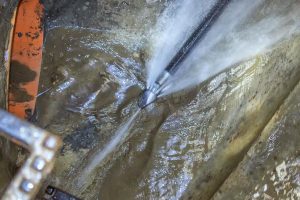
High-Pressure Water Jetting for Septic Lines in New Jersey
FREE ESTIMATES | LICENSED AND CERTIFIED | FREE SITE EVALUATIONS
Get a Free Estimate
"*" indicates required fields
When snaking your septic lines only provides temporary relief, professional high-pressure water jetting removes the grease, roots, and sludge buildup causing recurring backups. Excavating New Jersey LLC provides licensed hydro-jetting services throughout Sussex County and Northern NJ, using professional-grade equipment and camera inspections to safely restore your septic lines to factory-new condition.

Tired of Septic Line Problems That Keep Coming Back?
We solve recurring septic line issues that snaking can’t fix:
- Blockages that return within weeks after mechanical snaking
- Slow drains affecting multiple fixtures throughout your home
- Grease buildup reducing your pipes to a fraction of their capacity
- Root intrusions at pipe joints that trap waste and paper
- “Bellies” in your lateral lines where sludge settles and accumulates
- Failed pre-sale inspections requiring documented clear lines
Professional hydro-jetting scours the full interior diameter of your pipes—removing decades of accumulation, not just punching a temporary hole through blockages.
Professional Hydro-Jetting Services
Complete Septic Line Restoration
We restore your septic lines to their original flow capacity using 3,000-4,000 PSI water pressure and specialized rotating nozzles. Unlike snaking that leaves buildup on pipe walls, hydro-jetting removes grease caps, scale, biofilm, and sludge deposits completely. Your 4-inch lateral line returns to full 4-inch capacity, not the 1-inch opening a snake creates.
Camera Inspection Before & After
Every jetting service includes video inspection to diagnose the problem and document the results. We identify your pipe material (PVC, cast iron, clay, or Orangeburg), locate blockages, assess structural condition, and calibrate pressure accordingly. You receive before-and-after footage proving the work was done right—critical for real estate transactions.
Root Intrusion Removal
Tree roots infiltrating your septic lines create nets that trap waste and cause dense blockages. We use cutting nozzles to sever roots at pipe collars, then scouring nozzles to remove remaining organic material and biofilm. Chemical treatments kill roots but don’t remove them—jetting physically extracts the obstruction for lasting results.
Belly Clearing for NJ Soil Conditions
Northern New Jersey’s freeze-thaw cycles shift pipes and create “bellies”—low spots where sludge accumulates. Snakes pass over these depressions without clearing them. Hydro-jetting uses water velocity to flush settled material up and out of sags, solving a problem mechanical methods can’t address.
Grease Cap Elimination
Hardened grease layers coating your pipe walls reduce flow capacity and trap debris. High-velocity water emulsifies fats, oils, and grease at the molecular level, breaking bonds and suspending particles for complete removal. Multiple passes ensure even decades-old buildup is eliminated.
Why Sussex County Homeowners Choose Excavating New Jersey LLC

Nearly 20 years of septic system experience in Northern NJ
We’ve cleared hundreds of septic lines across Vernon, Sparta, Hopatcong, Andover, Jefferson, Montague, Frankford, Newton, Sussex, Wantage, and surrounding towns. We understand local soil conditions, recognize Orangeburg pipe in older homes, and follow NJDEP waste disposal regulations.
Licensed professionals with proper equipment and training
Our team uses professional jetting equipment delivering 3,000-4,000 PSI at 8-18 GPM—not consumer pressure washers that lack the power and flow to restore pipes. We calibrate pressure based on pipe material to clean safely without causing damage.
Camera inspection is mandatory, not optional. We never jet blind. Video inspection identifies pipe material, locates blockages, and reveals structural damage that would make jetting unsafe. Contractors who skip this step risk catastrophic pipe failure and contamination.
Free flat-rate pricing with no surprises. You receive complete cost estimates before work begins—including camera inspection, jetting, and post-inspection documentation. No hourly rates that climb as work progresses.
We understand when jetting isn’t the answer. If camera inspection reveals collapsed pipes, separated joints, or structural damage, we’ll tell you excavation and repair are needed instead. Honest diagnostics save you money and prevent making problems worse.
Why Hydro-Jetting Beats Snaking for Septic Lines
Snaking Creates Temporary Holes
Mechanical snakes punch 2-4 inch holes through blockages, leaving most buildup adhered to pipe walls. Within weeks, residual material traps new debris and the blockage reforms. You’re back to slow drains and backups in 3-6 months.
Jetting Restores Full Pipe Diameter
Hydro-jetting scours the entire 360-degree circumference of your pipes. A line reduced to 25% capacity by grease and scale returns to 100% flow. This isn’t temporary relief—it’s complete pipe restoration that lasts 2-5 years depending on usage.
Safer for Old Pipe Materials
Thrashing snake cables crack fragile clay pipes and collapse deteriorated Orangeburg. Properly calibrated water pressure cleans without structural damage. We reduce PSI for older materials (1,500-2,500 for Orangeburg vs. 4,000 for PVC) based on camera inspection findings.
Northern New Jersey’s Unique Septic Line Challenges
Freeze-Thaw Cycles Create Bellies
Soil expansion and contraction in Sussex, Morris, and Warren Counties shifts pipe positioning over time. Low spots form where sludge settles and accumulates—invisible from above but catastrophic for flow. Hydro-jetting flushes these depressions using water velocity, solving a problem snakes can’t address.
Orangeburg Pipe in Pre-1970s Homes
Bituminous fiber pipe installed in post-war developments degrades and becomes oval-shaped under soil pressure. Aggressive snaking collapses these weakened pipes entirely. Our technicians recognize Orangeburg on camera and reduce pressure to 1,500-2,500 PSI for safe cleaning without structural failure.
NJDEP Waste Disposal Requirements
Licensed septic services professionals must capture and properly dispose of jetting wastewater per state regulations. This is especially critical in Highlands and Pinelands Preservation Areas where groundwater protection standards are strict. Unlicensed operators create environmental violations and contamination risks.
When Hydro-Jetting Is the Right Solution
Recurring Backups After Snaking
If your line has been snaked twice within a year and symptoms return, the problem is accumulation, not a single obstruction. Jetting removes the underlying buildup causing repeated failures.
Slow Drains Across Multiple Fixtures
When toilets, showers, and sinks all exhibit reduced flow, your lateral line has significant buildup reducing hydraulic capacity. Jetting restores full-diameter flow that snaking cannot achieve.
Pre-Sale Septic Inspections
Real estate transactions increasingly require video documentation of clear lateral lines. Buyers’ inspectors identify partial blockages that become the new owner’s problem. Proactive jetting before listing avoids negotiation issues and failed inspections.
Commercial Grease Systems
Restaurants and food service facilities generate fats, oils, and grease at volumes that overwhelm residential systems. Quarterly or semi-annual jetting prevents catastrophic backups and maintains health department compliance.
The Professional Jetting Process
Step 1: Pre-Jetting Camera Inspection
We insert video equipment through cleanouts or tank access to identify blockage location, pipe material, and structural condition. This determines safe pressure limits and whether jetting is appropriate. Cast iron and PVC handle 3,500-4,000 PSI. Clay and Orangeburg require 1,500-2,500 PSI.
Step 2: Pressure Calibration & Nozzle Selection
Based on inspection findings, we set equipment pressure and choose the appropriate nozzle. Penetrating nozzles break through solid blockages. Rotating nozzles scour the full pipe circumference. Root cutting nozzles sever intrusions before scouring passes remove organic material.
Step 3: Jetting Execution
The jetting hose advances to the line’s end, then pulls back toward the operator while jetting. This flushes debris back toward the access point rather than pushing it deeper into your system. Multiple passes may be needed for heavy grease or root accumulation.
Step 4: Post-Jetting Verification
We perform a second camera inspection to verify complete clearance and document pipe condition. You receive before-and-after footage confirming the work was done properly and establishing a baseline for future maintenance intervals.
Total service time: 2-4 hours for most residential lines, including both inspections and jetting.
Safety & Pipe Protection
Material-Specific Pressure Limits
Modern PVC and ABS handle 4,000+ PSI safely. Cast iron tolerates 3,000-3,500 PSI. Clay tile should not exceed 2,500 PSI. Orangeburg requires 1,500-2,500 PSI. Operators who don’t adjust for pipe material cause catastrophic failures worse than the original blockage.
The Risk of Unlicensed “Cowboy Jetting”
Consumer pressure washers from home improvement stores lack the flow rate (GPM) and specialized nozzles to restore pipes effectively. Worse, untrained operators use excessive pressure on fragile pipes or jet without camera diagnosis, missing structural damage that makes jetting unsafe.
When Jetting Isn’t Appropriate
Camera inspection sometimes reveals collapsed sections, separated joints, or cracks requiring excavation and repair. Attempting to jet damaged pipes worsens failure and causes soil contamination. Licensed contractors recognize these situations and recommend proper solutions.
Ready to Clear Your Septic Lines for Good?
Whether you’re dealing with recurring backups, preparing for a home sale, or maintaining a commercial grease system, Excavating New Jersey LLC provides professional hydro-jetting services backed by nearly 20 years of experience.
We serve Vernon, Sparta, Hopatcong, Andover, Lake Hopatcong, Jefferson, Montague, Frankford, Newton, Sussex, Wantage, and all of Sussex and Morris County with licensed professionals who understand Northern NJ’s soil conditions and pipe materials.
Get a Free Estimate Today
Related Services
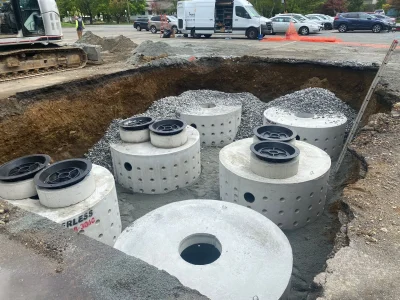
Septic Installation
When your septic system fails or you’re facing a mandatory replacement for a home sale, you need a licensed …
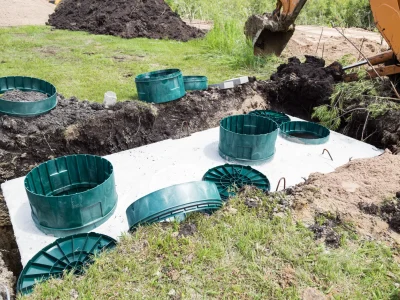
Septic System Repairs
When your septic system shows warning signs—slow drains, sewage odors, or wet spots in your yard—you need fast, accurate …

Norweco Singulair Green
When your lot is too small, too wet, or too rocky for a standard septic system, the Norweco Singulair Green gives you a …
Frequently Asked Questions
How long does a hydro-jetting service take?
Most residential septic line jetting takes 2-4 hours, including pre-inspection, jetting, and post-inspection verification. Complex blockages involving multiple lateral lines or extensive root intrusion may require additional time. The process cannot be rushed—proper diagnosis and pressure calibration are essential for both effectiveness and pipe safety.
Is hydro-jetting safe for old pipes?
When performed by licensed professionals with camera inspection and material-specific pressure calibration, yes. The risk comes from untrained operators using excessive pressure or jetting without knowing the pipe material. Orangeburg, clay, and corroded cast iron require reduced PSI. A reputable contractor will refuse to jet pipes with structural damage visible on camera inspection.
How much does septic line hydro-jetting cost in New Jersey?
Residential septic line jetting typically ranges from $450-$850 depending on line length, accessibility, and blockage severity. This includes camera inspection, jetting, and post-inspection documentation. Emergency service or complex root removal may cost more. Flat-rate pricing protects homeowners from hourly overages and provides cost certainty before work begins.
Will hydro-jetting kill the bacteria in my septic tank?
No, when performed correctly. Jetting targets the lateral lines between the house and tank, and the distribution lines between the tank and leach field—not the tank interior itself. The septic tank’s bacterial colony remains undisturbed. In fact, clearing blocked lateral lines helps the system by preventing backup that can overwhelm the tank and disrupt the settling process.
How often should septic lines be jetted?
For typical residential use, every 3-5 years as preventive maintenance. Homes with garbage disposals, large families, or heavy grease production may need more frequent service (every 2-3 years). Commercial kitchens often require quarterly or semi-annual jetting. The post-jetting camera inspection will reveal the condition of your pipes and help establish an appropriate maintenance interval.
Can I rent equipment and do this myself?
Not recommended for septic systems. Consumer-grade pressure washers lack the PSI/GPM combination and specialized nozzles needed for effective cleaning. More critically, without camera inspection and material knowledge, you risk catastrophic pipe damage. Septic line jetting also generates wastewater that must be properly disposed of under NJDEP regulations. Licensed contractors carry insurance and follow environmental protocols that protect you from liability.
What’s the difference between hydro-jetting and “rodding”?
Rodding (snaking) uses a mechanical cable with a cutting head to break through blockages. It creates a hole but leaves residual buildup on pipe walls. Hydro-jetting uses pressurized water to scour the full interior diameter, removing all accumulation. Rodding is appropriate for isolated clogs; jetting is required for systemic buildup, recurring blockages, and pipe restoration.
Will jetting fix a collapsed or separated pipe?
No. Hydro-jetting clears blockages within structurally sound pipes. If camera inspection reveals a collapsed section, separated joint, or significant crack, excavation and pipe repair/replacement are required. Attempting to jet a damaged pipe can worsen the failure and cause soil contamination. This is why pre-jetting camera inspection is mandatory—it identifies situations where jetting would be ineffective or harmful.
Fill Out The Form to
For a Free Estimate
"*" indicates required fields