
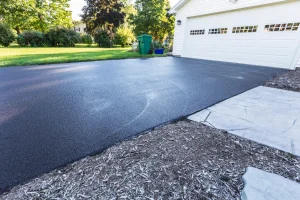
Professional Driveway Installation in New Jersey
FREE ESTIMATES | LICENSED AND CERTIFIED | FREE SITE EVALUATIONS
Get a Free Estimate
"*" indicates required fields
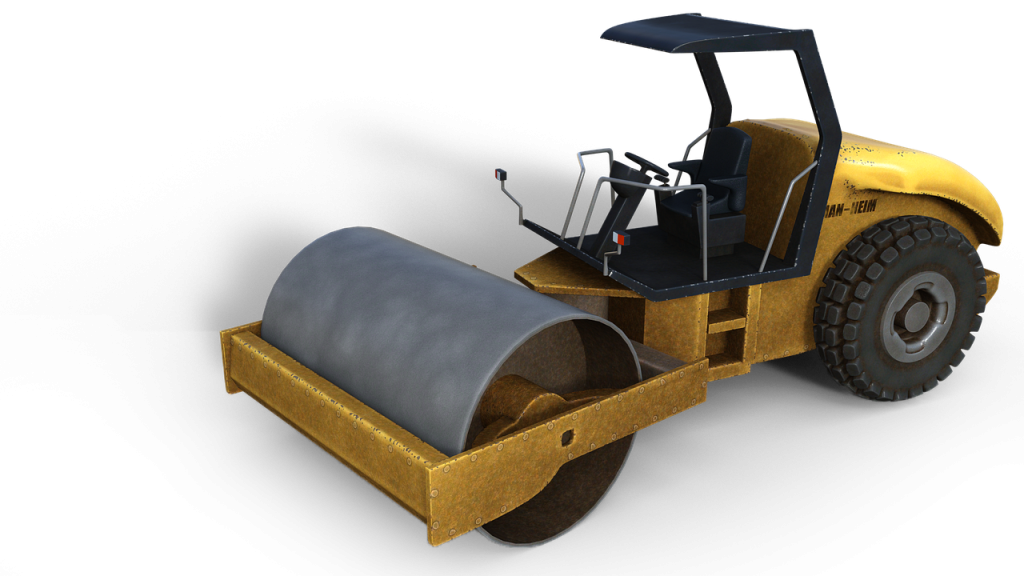
Trusted Excavation & Site Preparation for Long-Lasting Driveways
When your driveway installation in New Jersey requires expert excavation, precise grading, and proper site preparation, Excavating New Jersey LLC delivers the foundation work that determines whether your driveway lasts 5 years or 25. We handle the critical groundwork that most paving contractors skip—from soil stabilization to drainage engineering.
Tired of Driveways That Fail in 3 Years?
Most driveway failures in New Jersey happen before a single crack appears in the pavement. Poor excavation, inadequate drainage, and unstable soil destroy driveways from underneath—creating washouts, sinkholes, and costly replacements.
If you’re dealing with:
- Pooling water that never drains after rain
- Sinking sections where the base wasn’t properly compacted
- Erosion and washouts from Northern NJ’s heavy precipitation
- Clay soil challenges that destabilize any surface without proper preparation
…then you need professional excavation and site work before any paving begins.
Complete Driveway Installation Solutions in New Jersey
We provide the essential excavation, grading, and site preparation services that create stable, long-lasting driveways across Sussex County and surrounding areas.
Gravel & Stone Driveway Installation
Engineered aggregate driveways that handle New Jersey’s freeze-thaw cycles and heavy rainfall. We install multi-layer systems with proper sub-base preparation, geotextile fabric separation, and precision grading that prevents the “mud pump” effect common in Northern NJ clay soils. Ideal for long rural driveways, properties requiring superior drainage, or homeowners reducing impervious coverage under NJ DEP stormwater regulations.
Excavation & Site Preparation for Paved Driveways
Professional excavation services that prepare your site for asphalt or concrete installation. We handle soil removal, sub-grade compaction, and base layer installation to specifications that prevent settling and cracking. Our team works directly with paving contractors or prepares your site for your chosen installer.
Driveway Grading & Drainage Engineering
Laser-guided grading that eliminates water pooling and prevents erosion. We establish proper crown (2-3% slope from center), longitudinal pitch (minimum 2% fall), and integrate your driveway with site-wide stormwater management. Water is the #1 enemy of driveway longevity—our grading work keeps it moving away from your surface and foundation.
Culvert Installation & Cross-Drainage
Professional culvert placement for driveways crossing ditches, swales, or natural drainage paths. We size and install culverts that handle Northern NJ storm volumes while maintaining proper driveway elevation and preventing washouts during heavy rain events.
Edge Containment & Stabilization
Belgian block curbing, retaining walls, and slope stabilization that prevents lateral stone migration and edge failure. Proper containment extends driveway life by 40% and eliminates the annual spread of gravel into lawns and landscaping.
Why Excavating New Jersey LLC is Sussex County’s Trusted Excavation Partner
Serving Northern New Jersey since 2006, we’ve prepared hundreds of driveway sites across Vernon, Sparta, Hopatcong, Wantage, Newton, and surrounding towns. Our team understands the unique soil challenges—from Sussex County clay to Monmouth County sand—that require different engineering approaches.
What Sets Us Apart
We’re excavation specialists, not just paving contractors. While most driveway companies focus on the surface, we engineer the foundation. Our expertise in septic systems, drainage solutions, and site work means we approach every driveway as a complete water management system—not just a place to park cars.
Nearly 20 years of experience solving Northern NJ’s toughest site challenges. We’ve worked with every soil type, slope condition, and drainage problem the region presents. When other contractors walk away from difficult sites, we bring solutions.
Licensed, insured, and certified professionals using laser-guided grading equipment and modern excavation technology. We don’t eyeball grades or guess at drainage—precision equipment ensures your driveway performs exactly as engineered.
Our Process: Start to Finish Site Preparation
- Free site evaluation to assess soil conditions, drainage patterns, and site challenges
- Engineered grading plan that integrates with your property’s stormwater management
- Professional excavation with proper depth and soil removal
- Base layer installation using compacted aggregates specified for your soil type
- Final grading with laser-guided equipment to ensure proper water flow
We work with your paving contractor or prepare your site for the installer of your choice. For gravel driveways, we complete the entire installation from excavation to finish stone.
Understanding Driveway Installation in New Jersey: What You Need to Know
Gravel vs. Paved Driveways: Which Is Right for Your Property?
Gravel and stone driveways excel in rural settings, long driveways, and properties with challenging drainage. They’re permeable surfaces that don’t count toward NJ impervious coverage limits, cost 40-60% less than paving, and handle freeze-thaw cycles better than concrete. Best for: properties over 1 acre, driveways longer than 200 feet, or situations where stormwater compliance is a concern.
Asphalt driveways provide a smooth, maintenance-friendly surface ideal for suburban properties with moderate slopes. They require seal-coating every 3-5 years but offer excellent snow plowing performance. Best for: standard residential properties with driveways under 150 feet.
Concrete driveways deliver the longest lifespan (25-30 years) with minimal maintenance but cost 2-3x more than asphalt. They’re the premium choice for properties where appearance and durability justify the investment. Best for: high-end properties or homeowners planning to stay long-term.
All three require identical excavation and site preparation. The quality of the groundwork determines performance regardless of surface material.
New Jersey Soil Challenges: Why Professional Excavation Matters
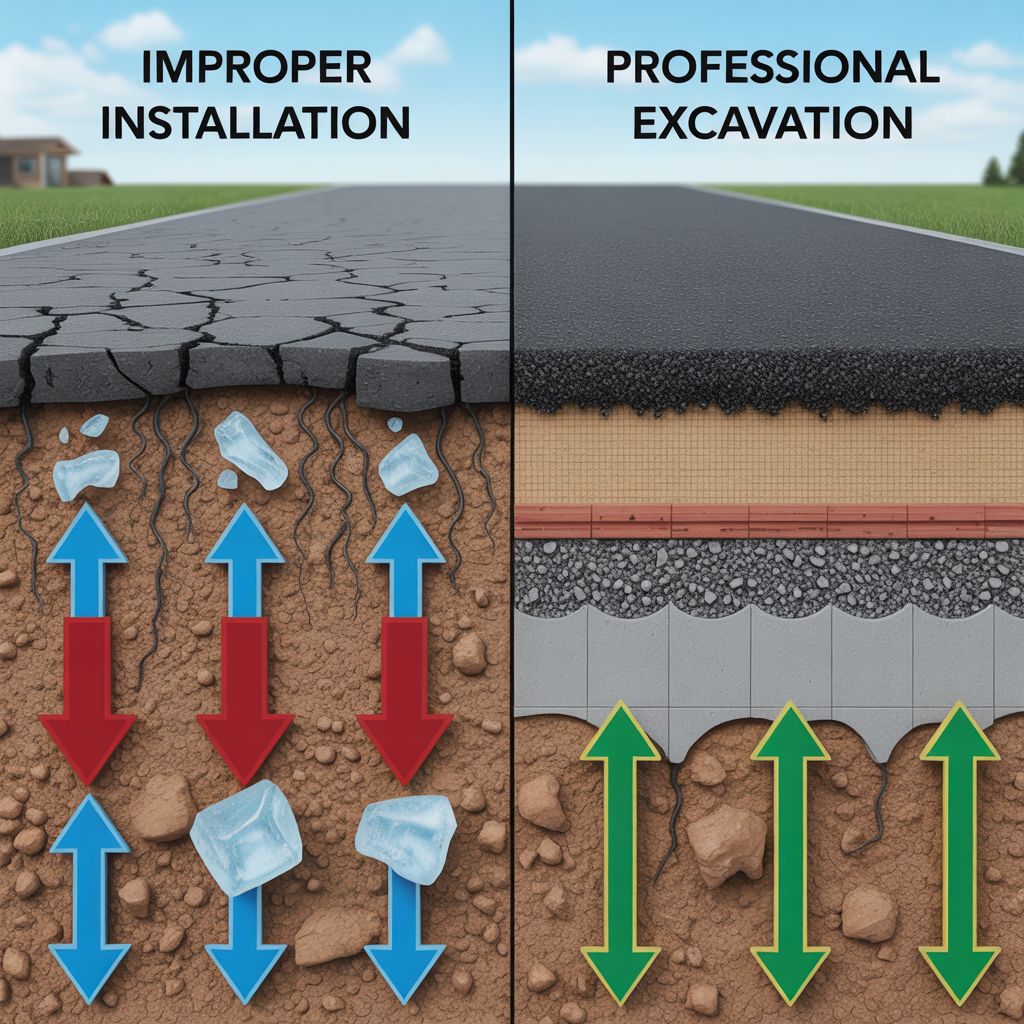
Sussex, Morris, and Hunterdon Counties feature predominantly clay-based soils with poor drainage and high frost susceptibility. Clay expands when wet and contracts when dry—this movement destabilizes any driveway lacking proper sub-base preparation.
During winter, Northern NJ experiences 80-100 freeze-thaw cycles per season. Each cycle stresses the driveway structure. Moisture trapped in improperly prepared soil freezes, expands, and creates the hydraulic pressure that causes potholes, rutting, and washouts.
Professional excavation solves this by removing unstable topsoil, installing geotextile fabric separation, and building a compacted base layer that distributes loads and manages water. DIY or budget installations that skip these steps fail within 2-5 years.
Grading: The Most Critical Factor in Driveway Longevity
Poor grading causes 80% of premature driveway failures in New Jersey. When water pools or flows incorrectly, it erodes base material and creates conditions for freeze-thaw damage.
Proper grading includes:
- Crown or cross-slope (2-3% grade) so water sheets off the surface
- Longitudinal pitch (minimum 2% fall) ensuring positive drainage along the driveway length
- Integration with site drainage—directing runoff into swales, French drains, or designated stormwater features
Laser-guided grading equipment ensures precision impossible with manual methods. A quarter-inch error across a 200-foot driveway creates low spots that collect water and fail within two years.
NJ Stormwater Regulations & Impervious Coverage
New Jersey DEP regulates stormwater through Residential Site Improvement Standards (RSIS). Most NJ municipalities limit impervious coverage to 20-30% of lot area. Exceeding these limits can prevent building permits for additions or other improvements.
Gravel and stone driveways are classified as permeable surfaces that typically don’t count toward impervious coverage—but only if properly constructed with adequate stone depth and infiltration capacity. This makes them an excellent choice for properties approaching coverage limits.
Some municipalities require formal stormwater management plans for driveways exceeding 5,000 square feet. A properly designed driveway with appropriate drainage features typically satisfies these requirements more easily than traditional paving.
Related Excavation & Site Work Services
Foundation and Yard Drainage
Tired of standing water, wet basements, and foundation problems? Excavating New Jersey provides complete yard drainage and …
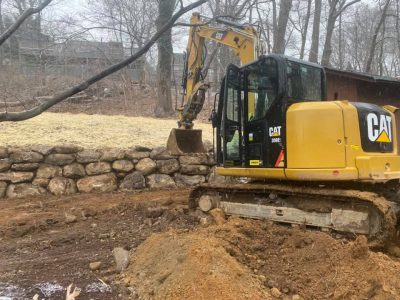
Lot & Land Clearing NJ
Overgrown Property Holding You Back? From forestry mulching to precision grading, we transform overgrown property into …
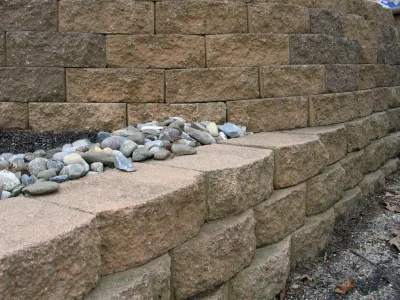
Retaining Walls
Sloped Property Creating Drainage and Erosion Problems? We build engineered walls that prevent erosion, manage water …
Ready to Install a Driveway That Lasts?
Whether you’re planning a new gravel driveway or need professional excavation for paved surfaces, proper site preparation determines long-term performance. Get a free site evaluation and upfront estimate from Sussex County’s trusted excavation specialists.
Get a Free Estimate Today
Frequently Asked Questions
How thick should a gravel driveway be in New Jersey?
A properly constructed gravel driveway should have a total depth of 8 to 12 inches, consisting of 4 to 6 inches of compacted Dense Graded Aggregate base layer plus 2 to 3 inches of finish stone. In areas with particularly poor soil (heavy clay) or high traffic, depths up to 14 inches may be necessary. The specific depth depends on soil conditions and anticipated loads.
Do I need a permit to install a gravel driveway in NJ?
Permit requirements vary by municipality. Most towns don’t require permits for replacing an existing driveway with similar materials. However, new driveways, significant expansions, or work within wetland buffers or flood zones typically require permits. Contact your local building department before beginning work. Some municipalities also require compliance with stormwater management plans for driveways exceeding 5,000 square feet.
How long does a gravel driveway last?
A professionally installed gravel driveway with proper base preparation, geotextile fabric, and drainage engineering should last 15 to 20 years before requiring major reconstruction. The finish stone layer will need replenishment every 3 to 5 years, and annual maintenance (grading, raking) is necessary. Driveways installed without proper base preparation or fabric typically fail within 2 to 5 years.
What’s the best stone for a driveway in New Jersey?
For the base layer, Dense Graded Aggregate (DGA/crusher run) is essential—it compacts tightly to create a stable platform. For the finish layer, NJ Trap Rock (¾-inch) offers the best combination of durability, compaction, and traction. River Jack provides a more decorative appearance but doesn’t compact as well. The “best” choice depends on your priorities—performance, aesthetics, or budget.
How do you prevent gravel driveways from washing out?
Washout prevention requires three elements: proper grading (2% minimum pitch with crown or cross-slope), adequate drainage features (swales, culverts, or French drains to direct water away), and appropriate stone selection (angular stone that locks together). On steep slopes, additional measures like speed bumps or cross-drains may be necessary to slow water velocity.
Can you plow snow on a gravel driveway?
Washout prevention requires three elements: proper grading (2% minimum pitch with crown or cross-slope), adequate drainage features (swales, culverts, or French drains to direct water away), and appropriate stone selection (angular stone that locks together). On steep slopes, additional measures like speed bumps or cross-drains may be necessary to slow water velocity.
Can you plow snow on a gravel driveway?
Yes, but technique matters. The plow blade must be equipped with shoes that hold it approximately 1 inch above the surface. Aggressive plowing that scrapes the stone damages the base and removes finish material. Mark driveway edges clearly with reflective stakes. Consider using a rubber-edged plow blade rather than steel. Communicate these requirements to your snow removal contractor before winter.
What is geotextile fabric and why is it important?
Geotextile fabric is a synthetic textile barrier installed between the excavated soil and the stone base. It prevents fine soil particles (clay, silt) from migrating upward into the stone layer—a process accelerated by freeze-thaw cycles. This separation maintains the stone’s load-bearing capacity and dramatically extends driveway lifespan. Fabric costs represent less than 5% of installation costs but can double the driveway’s useful life.
How much does a gravel driveway cost in New Jersey?
Costs vary based on length, width, soil conditions, and material choices. Expect $8 to $15 per square foot for professional installation including excavation, fabric, proper base, and finish stone. A typical 12-foot-wide by 100-foot-long driveway (1,200 square feet) costs $9,600 to $18,000. DIY installation can reduce costs but requires proper equipment (excavator, compactor) and knowledge of grading principles. Cheap installations that skip critical steps cost more long-term due to premature failure.
Fill Out The Form to
For a Free Estimate
"*" indicates required fields