
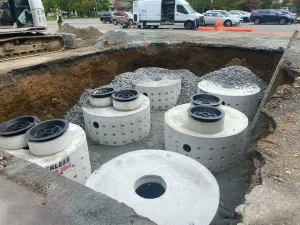
Septic System Installation & Replacement NJ
FREE ESTIMATES | LICENSED AND CERTIFIED | FREE SITE EVALUATIONS
Get a Free Estimate
"*" indicates required fields
When your septic system fails or you’re facing a mandatory replacement for a home sale, you need a licensed contractor who handles everything, from engineering and permits to installation and final inspection. Excavating New Jersey LLC provides complete septic system installation and replacement services in Sussex County and surrounding areas, with nearly 20 years of experience navigating New Jersey’s strict code requirements.
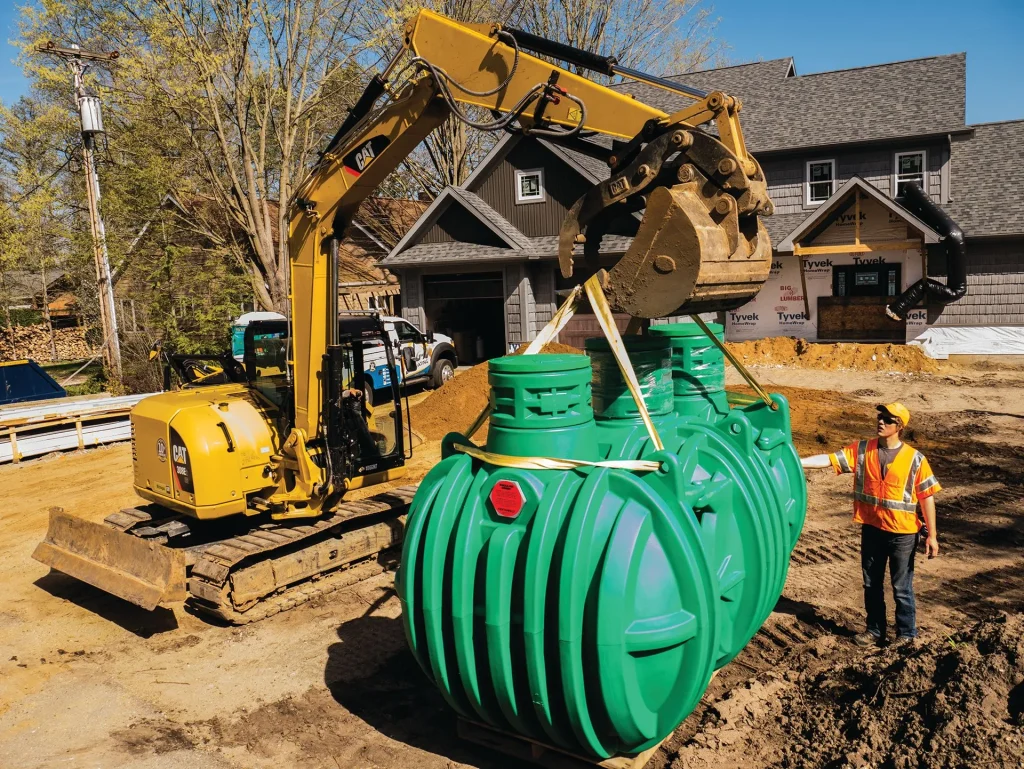
Facing a Septic Emergency or Replacement Deadline?
If you’re dealing with any of these situations, we can help:
- Sewage surfacing in your yard or backing up into your home despite regular pumping
- Failed home inspection requiring cesspool removal or system replacement before closing
- Health department compliance orders with strict deadlines
- Real estate contract pressure with buyers waiting on septic approval
- Outdated cesspool that must be decommissioned for property transfer
We handle the entire process—soil testing, engineering design, permit applications, old system removal, new installation, and final inspections. You get one team, one timeline, and upfront pricing.
Complete Septic System Installation & Replacement Services


Emergency Septic System Replacement
When your system fails, speed matters. We assess the failure, design a code-compliant replacement, and coordinate expedited permits when possible. Our team works with local health departments across Sussex County to compress timelines for homeowners under contract or facing enforcement orders.
Typical timeline: 6-10 weeks from assessment to operational system, depending on site conditions and permit review.
Cesspool Removal & Modern System Installation
New Jersey requires cesspool replacement during most property sales. We completely remove or properly abandon your old cesspool, then install a N.J.A.C. 7:9A-compliant septic system with sealed tank and engineered drainfield. This isn’t a repair—it’s a full replacement that meets current environmental standards.
Pay-at-closing financing available for sellers who need work completed before funds are available.
Septic Engineering & Design Services
Every replacement needs professional engineering. Our team includes licensed engineers who conduct soil testing, design systems for your property’s specific conditions, and prepare permit applications for NJDEP Treatment Works Approval and local health department review.
We handle challenging sites: shallow bedrock, poor soil, tight setbacks, or properties in the Pinelands or Highlands protection areas.
Advanced Treatment System Installation
Constrained lots often require advanced solutions. We install Norweco Singulair and other approved aerobic treatment units that reduce drainfield size requirements by 50% or more. These systems provide secondary treatment, allowing installations on properties where conventional systems won’t fit.
Ideal for: small lots, poor soil conditions, or properties with limited space due to wells, wetlands, or property line setbacks.
New Construction Septic Installation
Building a new home in Sussex County? We provide complete septic installation from initial site evaluation through final inspection. Our engineers design systems that match your home’s size and your property’s soil conditions, ensuring code compliance and long-term reliability.
Free site evaluations help you understand septic requirements before you finalize building plans. As part of our comprehensive septic services, we coordinate with builders and contractors to ensure your system is installed on schedule and ready for occupancy.
Why Excavating New Jersey LLC is Sussex County’s Trusted Septic Contractor
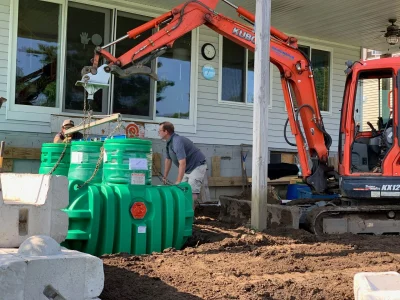


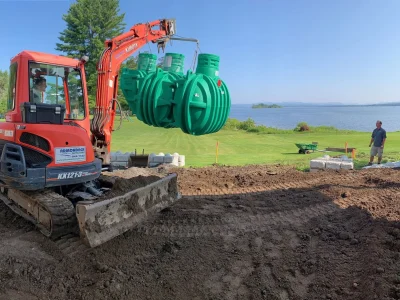
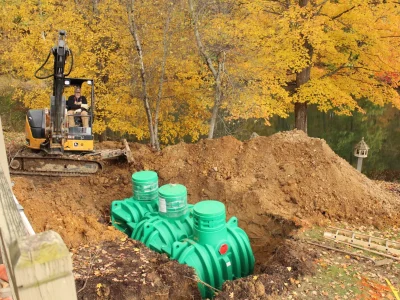
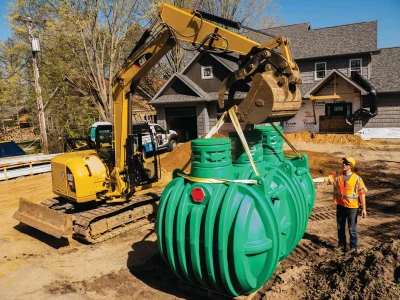
Nearly 20 years serving Northern NJ. Since our founding, we’ve completed hundreds of septic installations and replacements across Vernon, Sparta, Hopatcong, Andover, Jefferson, Montague, Frankford, Newton, Sussex, Wantage, and surrounding towns.
Licensed, insured, and certified septic installers. Our team holds all required New Jersey certifications and maintains full insurance coverage. We stay current on N.J.A.C. 7:9A code changes and local health department requirements.
Start-to-finish project management. Unlike contractors who subcontract engineering or excavation, we control the entire process. One team handles soil testing, design, permits, demolition, installation, and restoration—eliminating coordination delays and finger-pointing.
Transparent, upfront pricing. We provide free flat-rate estimates that include all phases of work: engineering, permits, old system removal, new installation, and site restoration. No surprises, no hidden fees.
Real estate transaction expertise. We understand closing deadline pressure. Our team coordinates with sellers, buyers, attorneys, and lenders to keep transactions moving. We offer pay-at-closing arrangements and work with 203K rehabilitation loans.
4.9-star rating from homeowners who’ve trusted us with their septic emergencies and installations.
When Septic System Replacement Becomes Necessary
Complete System Failure
Your drainfield has reached the end of its life. When sewage surfaces in your yard, toilets back up despite pumping, or the ground stays saturated over the absorption area, the soil has become clogged beyond repair. Pumping the tank more frequently won’t fix a failed drainfield—the absorption system itself must be replaced.
Mandatory Cesspool Replacement
Most NJ municipalities require cesspool removal during property sales. Home inspections that reveal cesspools trigger replacement requirements because these outdated structures allow untreated sewage to seep directly into groundwater. Even “working” cesspools must be replaced to meet current environmental protection standards.
Real Estate Inspection Failures
Damaged tanks, inadequate capacity, or non-compliant components fail inspections. When the septic inspection reveals structural problems, undersized systems, or outdated technology, local health departments issue notices requiring replacement as a condition of sale.
Health Department Compliance Orders
NJDEP or local authorities can mandate replacement. Enforcement orders occur when systems pose public health hazards—neighbor complaints about odors, well contamination, or visible sewage. These orders include compliance deadlines and potential daily fines.
Capacity Upgrades for Additions
Adding bedrooms requires septic capacity increases. Systems are sized based on bedroom count and daily wastewater flow. Finishing basements, adding second floors, or converting seasonal cottages to year-round homes often trigger replacement requirements during the building permit process.
Understanding New Jersey’s Septic Replacement Code
N.J.A.C. 7:9A governs all septic work in New Jersey. Replacement systems must meet current code standards—you cannot simply rebuild outdated designs. If your 1960s system used a 500-gallon tank and current code requires 1,000 gallons for your home size, the replacement must comply with today’s requirements.
Replacement projects lose grandfathered status. Your old system may have been legally nonconforming (allowed to remain despite not meeting current standards). Once you replace it, the new system must meet all current setback requirements from wells, property lines, buildings, and water bodies.
Treatment Works Approval is required. Most replacements need NJDEP TWA approval plus local health department permits. Our engineers handle all applications, submitting complete packages that minimize review delays.
Old system decommissioning is mandatory. Tanks must be pumped, then removed or crushed and filled. This prevents future collapse hazards and is verified during final inspection.
The Replacement Process: Assessment to Final Approval
Week 1-2: Emergency Assessment & Soil Testing
We evaluate your failed system to confirm replacement is necessary, then conduct soil testing in proposed new drainfield locations. A licensed soil scientist digs test pits, examines soil layers, and performs percolation testing to determine what system design will work on your property.
Week 2-3: Engineering Design & Permit Applications
Our engineers design a N.J.A.C. 7:9A-compliant system for your property’s specific conditions and prepare permit applications for NJDEP and local health department review. For real estate transactions, we coordinate with all parties on timeline expectations.
Week 3-5: Permit Review
Standard permit review takes 30-45 days. Some municipalities offer expedited review for genuine emergencies—we request this when applicable.
Week 6-8: Demolition, Installation & Inspection
We remove your old system, excavate for the new components, and install the complete replacement system. Our crews work efficiently to minimize disruption, often scheduling final connections on weekends to reduce water usage restrictions. The local health inspector conducts final approval before the system is covered and placed into service.
Week 8-9: Site Restoration
We complete final grading, replace topsoil, and seed all disturbed areas. Your property recovers fully within one growing season.
Total timeline: 6-10 weeks under normal conditions. Complex sites or variance requirements may extend to 12-14 weeks.
How Sussex County Soil Affects Your Replacement
Northern NJ: Glacial Till & Bedrock
Sussex, Warren, and Morris Counties present the most challenging conditions. Shallow bedrock and variable soil depth often require mounded systems, pressure distribution, or advanced treatment units. Rock excavation adds cost but our team has the equipment and blasting permits to handle it.
Sandy Coastal Plain (Southern NJ)
Ocean and Burlington Counties feature well-draining sandy soils. These conditions are generally favorable, though shallow water tables often require mounded drainfield designs to achieve proper vertical separation.
Central NJ: Piedmont Clay
Mercer, Somerset, and Middlesex Counties have heavy clay soils. Poor drainage often requires select fill importation—we excavate native clay and replace it with engineered sand/gravel to create suitable absorption conditions.
We design for your specific site. Soil testing determines what system type will work reliably on your property.
Special Requirements in Protected Areas
Pinelands National Reserve
Replacement projects require Pinelands Commission review to protect the Kirkwood-Cohansey aquifer. We handle all additional documentation to demonstrate compliance with nutrient loading limits.
Highlands Preservation Area
Properties in the Highlands face additional scrutiny for land disturbance, steep slopes, and stream buffers. Our engineers routinely work in Highlands zones and know how to structure applications to avoid extended review.
Wellhead Protection Zones
Systems within public water supply protection areas may require advanced treatment technology or larger setbacks. We design to meet these enhanced standards.
Replacement Cost Factors & Financing
Replacement costs $18,000-$45,000 depending on system size, site conditions, and location. Northern NJ projects with rock excavation or mounded systems cost more than straightforward southern NJ installations.
Why Replacement Costs More Than New Installation
- Old system removal adds $2,000-$5,000 for pumping, excavation, and proper abandonment
- Compressed timelines for real estate transactions often require premium scheduling
- Site constraints around existing structures limit equipment access and system placement options
- Complex designs for marginal soil or tight lots require engineered solutions
Financing Options We Support
Pay-at-closing arrangements: We complete work and place a lien satisfied when your sale closes—no upfront cash required for sellers under contract.
203K rehabilitation loans: Buyers can finance replacement costs as part of their mortgage rather than paying cash at closing.
NJDEP low-interest loans: Income-qualified homeowners may access below-market rate financing through state programs.
Home equity financing: Leverage your property equity for favorable rates on non-urgent replacements.
We provide detailed quotes that break down engineering, permits, demolition, installation, and restoration costs—no hidden fees.
Common Replacement Challenges We Solve
No Code-Compliant Location Remaining
When setbacks from wells, property lines, and wetlands eliminate obvious locations, we find solutions. Advanced treatment units reduce required drainfield size. Mounded systems create suitable conditions above poor native soil. Our engineers have designed successful systems on properties others deemed “unbuildable.”
Failed Percolation Tests
Slow soil infiltration doesn’t mean replacement is impossible. We specify pressure distribution systems, select fill importation, or advanced treatment units that compensate for poor native soil conditions.
Rock Excavation Requirements
Bedrock within the excavation zone requires removal. We have hydraulic hammers for rippable rock and work with licensed blasting contractors for solid bedrock. Our quotes include realistic excavation cost estimates based on site evaluation.
Real Estate Closing Deadlines
We understand transaction pressure. Our team requests expedited permit review when available, submits complete applications to minimize delays, and schedules work to begin immediately upon permit approval. Clear communication with all parties prevents unrealistic expectations.
Landscape Protection
We minimize property disruption. Our crews establish defined equipment routes, strip and stockpile topsoil for replacement, protect desirable trees outside work zones, and complete comprehensive restoration. Most properties fully recover within one growing season.
Ready to Solve Your Septic Emergency?
Whether you’re facing a failed system, preparing for a property sale, or navigating compliance orders, Excavating New Jersey LLC provides complete septic installation and replacement services you can trust.
Get a Free Estimate Today
Frequently Asked Questions
How quickly can a failed septic system be replaced in New Jersey?
Under ideal conditions with cooperative weather and expedited permit review, emergency replacements can be completed in 6-8 weeks from initial assessment to operational system. Standard timelines run 8-10 weeks. Complex sites requiring variances, extensive rock excavation, or designs in protected areas may extend to 12-14 weeks. The permit review phase (typically 30-45 days) represents the longest single period, though some municipalities offer expedited review for genuine emergencies. Homeowners facing closing deadlines should communicate timeline realities to all parties early in the process.
What happens if my septic system fails during a real estate transaction?
System failure discovered during the home inspection typically triggers one of several scenarios. The seller may agree to complete the replacement before closing, often using pay-at-closing financing arrangements where the contractor is paid from sale proceeds. Alternatively, an escrow holdback can be established where a portion of the sale proceeds (typically 150% of estimated replacement cost) is held in escrow to fund the work after closing. Some buyers request price reductions equivalent to replacement cost and handle the work themselves post-closing. In cases where the seller refuses to address the issue, buyers may exercise contract contingencies to withdraw from the transaction. Most purchase contracts include “reasonability of repair” clauses that can be invoked for major issues like septic failure.
Do I have to replace my cesspool when selling my home in NJ?
In most New Jersey municipalities, yes. State regulations prohibit cesspools for new construction, and local health departments routinely require cesspool replacement as a condition of property transfer. The Private Well Testing Act and associated regulations give health departments authority to mandate replacement when properties change ownership. Some municipalities have specific ordinances requiring cesspool decommissioning at time of sale. Even if your local jurisdiction doesn’t automatically require it, mortgage lenders often refuse to fund loans for properties with cesspools due to environmental liability concerns. Budget for cesspool replacement if you’re selling a property that hasn’t been updated to a modern septic system.
How much does septic system replacement cost compared to repair?
Septic repairs addressing specific component failures (broken baffles, cracked distribution boxes, damaged piping) typically cost $1,500-$5,000 depending on the component and access difficulty. Complete system replacement costs $18,000-$45,000 depending on system size, site conditions, and geographic location. The critical question is whether repair will actually solve the problem. If the drainfield soil has failed (biomat formation, saturation), repairing the tank or distribution box won’t restore function—the absorption area itself must be replaced. Many homeowners spend money on repairs only to discover months later that replacement was inevitable. A thorough evaluation by a qualified professional helps determine whether repair is viable or replacement is necessary.
Can I get financing for emergency septic replacement?
Yes, several options exist. Pay-at-closing arrangements allow sellers under contract to have work completed with payment from sale proceeds. FHA 203(k) loans let buyers finance replacement costs as part of their mortgage. NJDEP offers low-interest loan programs for income-qualified homeowners. Home equity loans or lines of credit provide financing secured by your property at favorable rates. Some contractors offer payment plans, though these typically carry higher interest rates than traditional financing. The best option depends on your specific situation—whether you’re selling or staying, your equity position, your credit profile, and the urgency of the replacement.
What happens if my property fails the percolation test for the replacement system?
A failed perc test doesn’t mean replacement is impossible—it means the engineer must design a system that compensates for poor soil conditions. Options include pressure distribution systems that improve wastewater distribution efficiency, excavating native soil and importing select fill to create suitable absorption conditions, mounded systems that build the drainfield above existing grade in engineered fill, or advanced treatment units that reduce the organic loading on the soil. Each approach has cost implications, but experienced engineers routinely design successful systems on properties with challenging soil. The perc test simply provides data the engineer uses to specify the appropriate system type.
Do I need a permit to replace a failed septic system in New Jersey?
Yes, absolutely. All septic system replacements require permits from NJDEP (Treatment Works Approval) and your local health department (construction permit). The permit process involves submitting engineering plans, soil test data, site surveys, and hydraulic calculations for review. Unpermitted replacement work is illegal and can result in stop-work orders, mandatory system removal, civil penalties, and difficulty selling the property in the future (title searches reveal unpermitted work). Even emergency replacements addressing immediate health hazards require permits, though some municipalities offer expedited review for genuine emergencies.
How long does a new replacement septic system last?
A properly designed, installed, and maintained replacement system typically lasts 25-30 years or more. The drainfield is usually the first component to require replacement (due to gradual soil clogging), while concrete septic tanks can last 40+ years. Longevity depends heavily on proper use—avoiding excessive water usage, not flushing inappropriate materials like wipes or grease, and preventing damage from vehicles or construction equipment. Regular maintenance (pumping every 3-5 years) is essential. Advanced treatment systems with mechanical components (aerobic units, pumps) require more frequent service but can extend drainfield life significantly by providing better treatment before wastewater reaches the soil.
Will replacing my septic system destroy my landscaping?
Replacement requires excavation that will temporarily disturb your property, but professional contractors minimize long-term impact. The work area typically includes the old system location (for decommissioning), the new tank location, and the new drainfield area (usually 1,000-2,000 square feet). Contractors should strip and stockpile topsoil for later replacement, establish equipment routes that minimize unnecessary disturbance, and complete comprehensive restoration including final grading, topsoil replacement, and seeding. Most properties fully recover within one growing season. Mature trees in or near the drainfield area may require removal if roots would interfere with system function, though contractors try to preserve desirable landscaping when possible.
What’s the difference between replacing a septic system and a cesspool?
Cesspools are outdated wastewater disposal structures—essentially covered pits with porous walls that allow untreated sewage to seep directly into surrounding soil. They provide no treatment and contribute to groundwater contamination. Modern septic systems include sealed tanks that provide primary treatment (settling solids, separating liquids) before distributing partially treated effluent to engineered drainfield absorption areas. Replacing a cesspool involves completely removing or filling the old structure and installing a code-compliant septic system with proper tank and drainfield components. This is a complete replacement project, not a repair or upgrade of the cesspool itself.
Fill Out The Form to
Get Your Complete Septic Installation Quote
"*" indicates required fields
Do you have a completed septic design or a septic inspection report you want to share?