

Excavation Services in New Jersey
Licensed & Insured | Nearly 20 Years in Business | Free Site Evaluations | Serving Sussex County & Surrounding Areas
Get a Free Estimate
"*" indicates required fields

Tired of Excavation Contractors Who Overpromise and Underdeliver?
You need precise site work that protects your investment and keeps your project on schedule. Whether you’re building a new home in Vernon, installing a septic system in Sparta, or managing a commercial development in Northern NJ, you need excavation professionals who understand local terrain, handle permits, and do it right the first time.
Common frustrations we solve:
- Utility strike risks when digging near existing water, sewer, or electrical lines
- Rocky terrain delays in Sussex County that require specialized equipment and experience
- Permit and compliance confusion with NJDEP regulations and local building departments
- Drainage problems caused by improper grading that lead to foundation issues
Comprehensive Excavation Solutions for Northern New Jersey
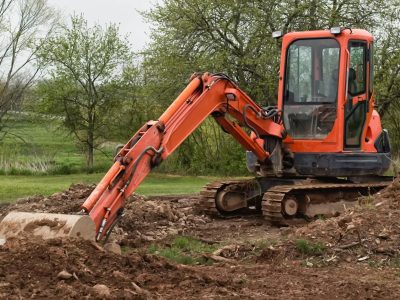
Foundation and Yard Drainage
Tired of standing water, wet basements, and foundation problems? Excavating New Jersey provides complete yard drainage and …
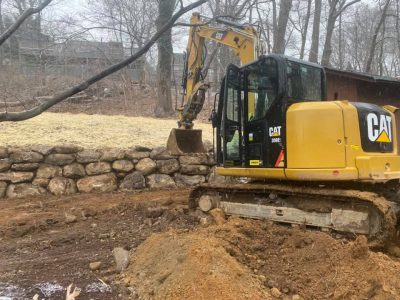
Lot & Land Clearing NJ
Overgrown Property Holding You Back? From forestry mulching to precision grading, we transform overgrown property into …

Driveway Installation
Trusted Excavation & Site Preparation for Long-Lasting Driveways When your driveway installation in New Jersey requires …
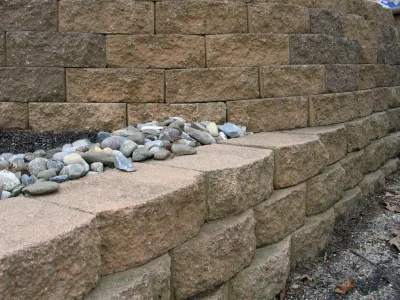
Retaining Walls
Sloped Property Creating Drainage and Erosion Problems? We build engineered walls that prevent erosion, manage water …
Complete Site Preparation & Grading
We transform raw land into construction-ready building sites. From clearing and stump removal to rough grading and drainage planning, we handle the full scope—so you get proper water flow, stable soil, and a site that passes inspection. Serving new home builds throughout Sussex County.
Septic System Excavation & Installation
OWTS-certified septic engineering and precision excavation. We dig to exact specifications, manage high water tables, and ensure your system meets NJDEP standards. Whether it’s a new septic installation in Hopatcong or a full replacement in Wantage, we handle design, permits, and installation from start to finish.
Foundation & Superior Walls Excavation
Engineering-grade precision for residential and commercial foundations. We excavate to exact depth and grade, handle rocky basalt terrain common in Northern NJ, and coordinate with your builder to keep the project moving. Our equipment breaks through the toughest soil conditions.
Utility Trenching: Water, Sewer & Drainage
Safe, compliant trenching for underground infrastructure. We coordinate with NJ One Call, use hydro-excavation near existing utilities when needed, and install water line connections, sewer extensions, and stormwater systems that meet local codes. Fast, clean, and done right.
Driveway Excavation & Base Preparation
Proper excavation is the foundation of a durable driveway. We remove unsuitable soils, establish drainage slope, and prepare compacted aggregate base layers—so your driveway doesn’t crack, settle, or wash out after the first winter.
Commercial Excavation & Site Development
Large-scale earthwork for commercial projects across Northern NJ. We manage soil import/export, coordinate with multiple trades, and meet strict municipal stormwater requirements. Reliable service for developers, builders, and property owners.
Why Excavating New Jersey LLC is the Preferred Choice in Sussex County
Nearly 20 years serving Northern NJ. We’re not a national franchise—we’re a locally owned excavation company based in Wantage, with deep expertise in Sussex County’s unique geology, from Watchung basalt to lake community soil conditions.
Licensed, insured, and certified professionals. Our team includes OWTS-certified septic engineers, and we carry full liability and workers’ comp insurance. You’re protected, and your project is compliant.
We handle permitting and compliance for you. From NJ One Call coordination to NJDEP soil erosion certifications and local excavation permits, we manage the paperwork so you don’t have to chase down approvals or risk project shutdowns.
The difference: We own specialized rock-breaking equipment that most excavators rent. That means faster timelines, lower costs, and no delays when you hit ledge or boulders—common in Sussex County.
Frequently Asked Questions About Excavation in New Jersey
How much does excavation cost in New Jersey?
Excavation costs vary widely based on soil conditions, site access, and project scope. Simple excavation in accessible soil averages $15-30 per cubic yard. Rocky terrain requiring hammers or blasting can cost $75-150 per cubic yard. Foundation excavation for a typical home ranges from $3,000-8,000, while complete new home site work, including clearing, grading, and utilities, typically costs $15,000-50,000 depending on acreage and terrain. The most accurate approach is requesting a detailed site-specific estimate after soil evaluation.
Do I need a permit to regrade my yard in Sussex County?
Grading permits depend on the scope of work and the amount of soil disturbance. Projects disturbing more than 5,000 square feet require Soil Erosion and Sediment Control certification from the Sussex County Soil Conservation District. If grading changes drainage patterns or directs water onto neighboring properties, additional municipal permits may be required. Consulting with your local building department before beginning work prevents costly violations.
What happens if you hit rock during excavation?
Encountering rock is common in Northern New Jersey. The response depends on the rock type and project requirements. Fractured shale or soft rock can often be removed with excavator-mounted rock hammers. Dense basalt or large boulders may require blasting, which needs separate permits and certified blasting contractors. Reputable excavation contractors include rock contingency clauses in estimates, specifying the price for anticipated soil conditions and the adjusted rate if rock is encountered.
What is the difference between rough grading and fine grading in site preparation?
Rough grading establishes the general elevation and slope of a site, typically bringing it within 6-12 inches of final grade. This phase creates functional drainage and construction access. Fine grading achieves the precise elevations specified in engineering plans, usually within 0.1 feet of the target. Fine grading occurs after major construction and prepares the site for landscaping, driveways, and final inspections. Both phases are essential for long-term drainage performance and municipal compliance.
How does the New Jersey “Call Before You Dig” (811) process affect project timelines?
NJ law requires calling 811 at least three business days before excavation. Utility companies then have this period to mark underground lines. The marks are valid for a limited time (typically 30 days), after which re-marking is required. This process adds a minimum of three days to project timelines but prevents dangerous utility strikes and legal liability.
What are the specific NJDEP regulations regarding soil disposal and fill importation?
New Jersey regulates soil movement to prevent contamination spread. Excavated soil must be tested if there’s reason to suspect contamination (proximity to underground storage tanks, industrial sites, or agricultural chemical use). Clean fill can be reused on-site or transported to other projects with proper documentation. Contaminated soil requires disposal at certified facilities with manifests tracking the material.
How is excavation safety managed when digging near existing foundations or structures?
Safe excavation near existing structures requires maintaining adequate horizontal distance (typically equal to the depth of the new excavation), installing temporary shoring if proximity cannot be maintained, and monitoring existing structures for movement. Professional contractors conduct pre-construction surveys documenting existing conditions and carry liability insurance covering potential structural damage.
What methods are used to handle high water tables during basement excavation in NJ?
High water tables require dewatering systems that continuously pump groundwater during excavation and construction. Wellpoint systems install small-diameter wells around the excavation perimeter connected to a vacuum pump. Sump pumps collect water in a low point and discharge it away from the work area. Dewatering must continue until foundation walls are backfilled and waterproofed.
Does commercial excavation require different insurance coverage than residential projects?
Yes. Commercial excavation typically involves higher liability limits due to larger project values, greater public exposure, and increased risk of business interruption claims. Commercial general liability insurance should include pollution liability, completed operations coverage, and often requires being named as additional insured on the property owner’s policy. Verify your excavation contractor carries appropriate commercial coverage before awarding contracts.
Ready to Get Your Project Started?
Call Excavating New Jersey LLC for a free site evaluation and upfront estimate.
We’ll assess your property, explain the scope, and give you a clear plan and price—so you can move forward with confidence.
Fill Out The Form to
For a Free Estimate
"*" indicates required fields